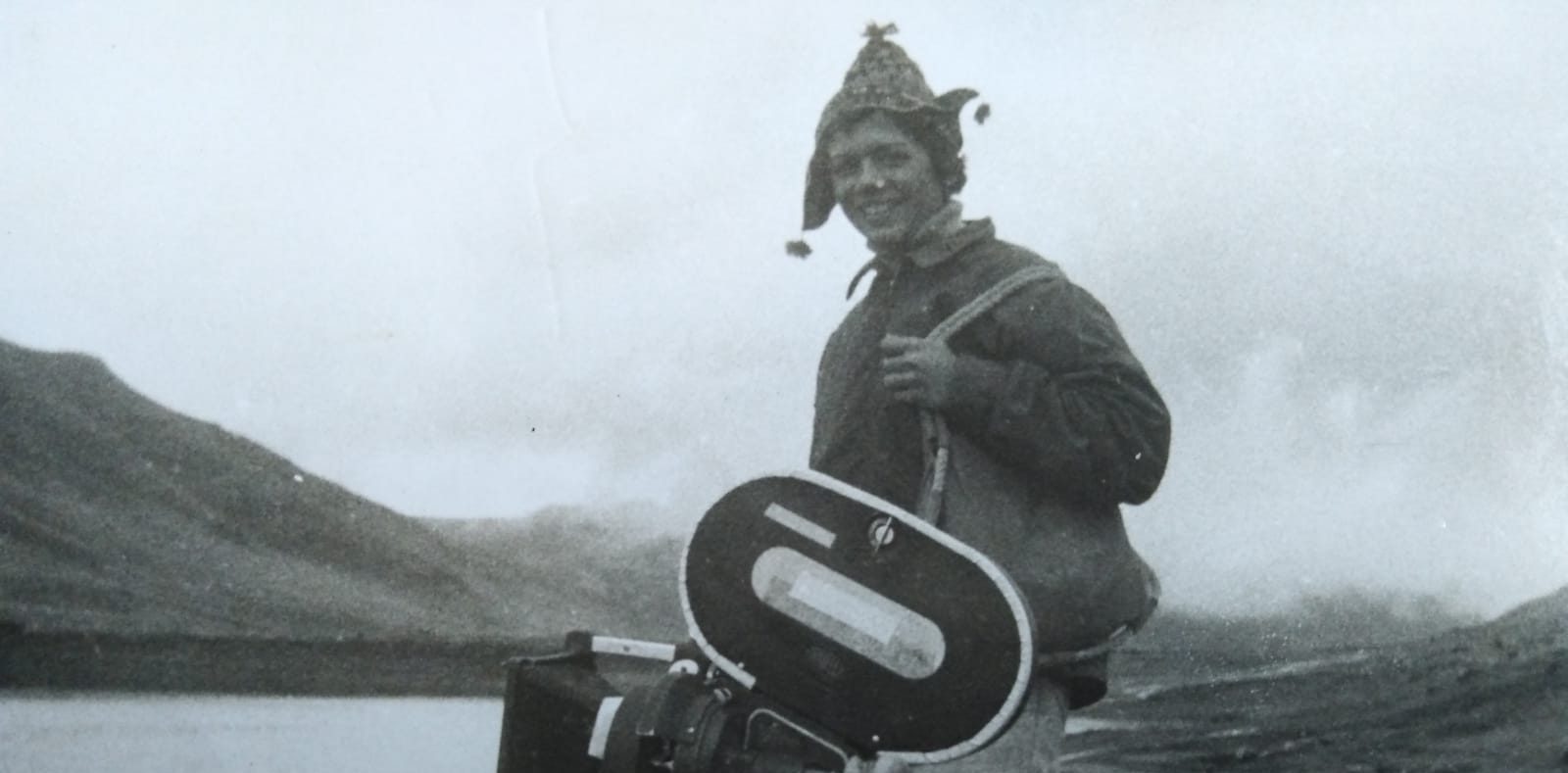
I worked in the communications department during Velasco’s government, making educational films. We travelled all over Peru and we used these films to train workers to form the EPS (Socially Owned Enterprises). I have no clue what happened to that material. At the same time, I was finishing university, and I joined a group that was very interested in making films. We created a company to make several documentaries under the 19327 law. I also worked extensively for foreign TV channels in Peru.”
Interview with Sonia Llosa carried out by Sara Lucía Guerrero and Lorena Best during the ‘Usted de nuevo señorita’ (2021) project.
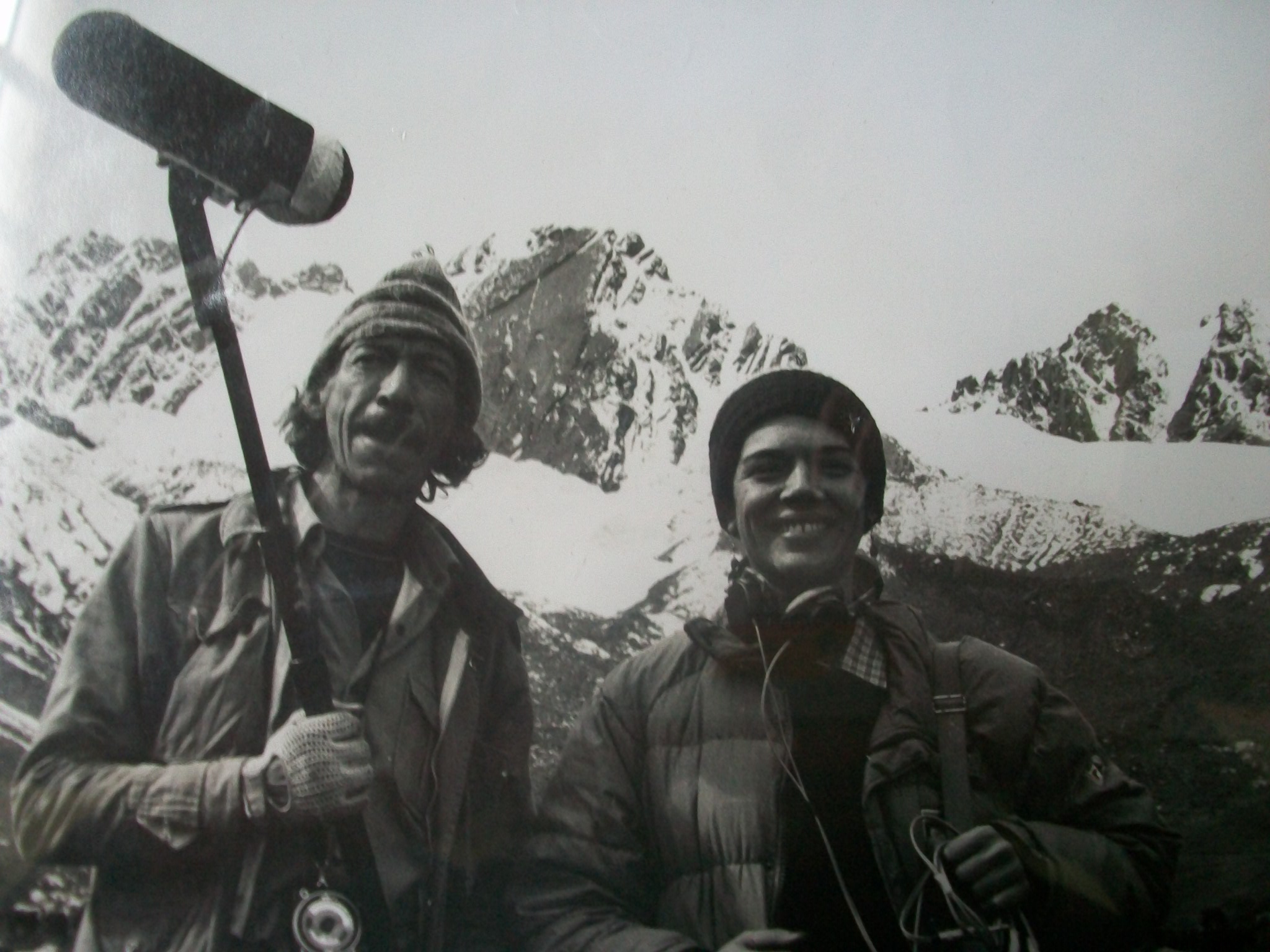
An exceptionally versatile producer, since 1975, Sonia Llosa Sonia Llosa has travelled around Peru as part of a crew of dozens of documentaries for film and television, as well as institutional videos. In addition to being a producer, Llosa works as a researcher, sound recordist, still photographer and scriptwriter. Her versatility has led her to work for national and international projects with diverse requirements and formats.
Her collaboration with other women filmmakers has been and remains a constant in her life. Llosa has been a producer for Puente de Ichu (1979), Una raya más al tigre (1981) and Regresar es mi meta (1989) by Christine Rosenthal, head of production in El viento del Ayahuasca (1983) by Nora de Izcue, as well as the documentaries Juntas paramos la olla (1985) and Andahuaylas, ciudad hermana (1987) by María Barea. In 1992 she was executive producer of Luna de Almendra by Rosa María Álvarez Gil.
The bio-filmografía of Sonia Llosa is available on the online archive ‘Rebeldes y Valientes’ co-ordinated by Gabriela Yepes.
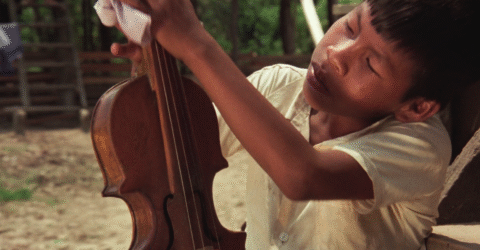
Carlos es un niño kukama que se gana la vida tocando violín en los funerales. La película acompaña el recorrido de Carlos desde su casa, pasando por el centro de Iquitos hasta que cumpla su misión.
¡Hola! 👋 Usamos cookies para asegurar que te damos la mejor experiencia en nuestra web. Si continúas usando este sitio, asumiremos que estás de acuerdo con ello ;)