
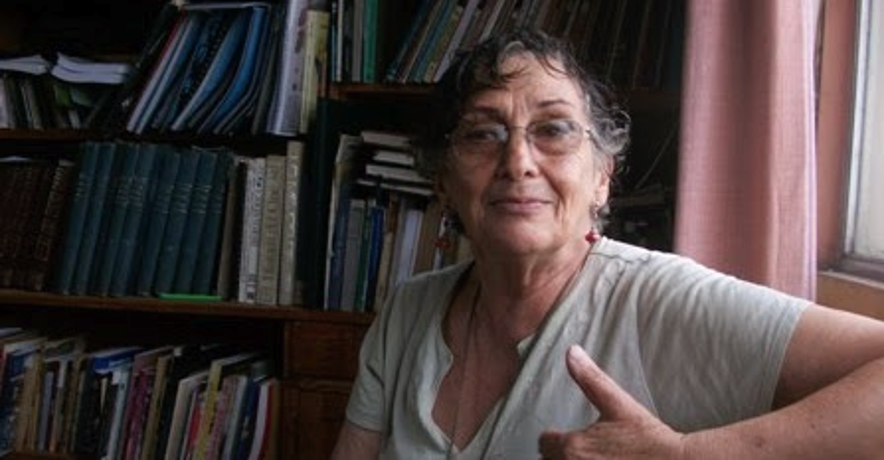
When we started making the historical films, I started researching, which is something that I really enjoy. I recorded all the historical information from my conversations with historians. Based on this information, Fico wrote the scripts. After a while I started directing, and I’ve always made documentaries. And so, my life is cinema, it’s my lifestyle; my children have grown up in this life, between police persecution, films, trips and awards.”
Interview with Pilar Roca carried out by Sara Lucia Guerrero, Illary Orccottoma and Lorena Best during the ‘Usted de nuevo señorita’ 2021 project.
Pilar Roca began filmmaking during the Revolutionary Government of the Armed Forces with a series of short documentaries for SINAMOS. From that moment she developed her career in collaboration with her partner Federico García Hurtado. Following the pattern of sexual division of labour typical of Latin American political cinema, she is the researcher and producer of the films directed by her partner (Seguí 2019). This cinema, produced in a precarious and militant way, is practised as a way of life, where the personal, professional and political dimensions merge. The Roca-García duo produced fundamental films of Peruvian cinema Kuntur Wachana (1977) and Tupac Amaru (1984). In a second phase of her life, she decided to stop producing films for García and turned to her work as a researcher and essayist. She also got involved, belatedly, in the directing of documentaries.
Roca has published several essays, in certain cases as part of the research for her movies, in others they are a reflection of her political opinions, her critical view on the imposed colonial order and the denunciation of corruption.
The bio-filmografía of Pilar Roca is available on the online archive ‘Rebeldes y Valientes’ co-ordinated by Gabriela Yepes.
Los danzantes de la montaña sagrada (co dirección Federico García, 2002)
Alfredo Torero: cuatro estaciones de un hombre total (2011)
Venezuela, país en trance (co dirección Federico García, 2013)
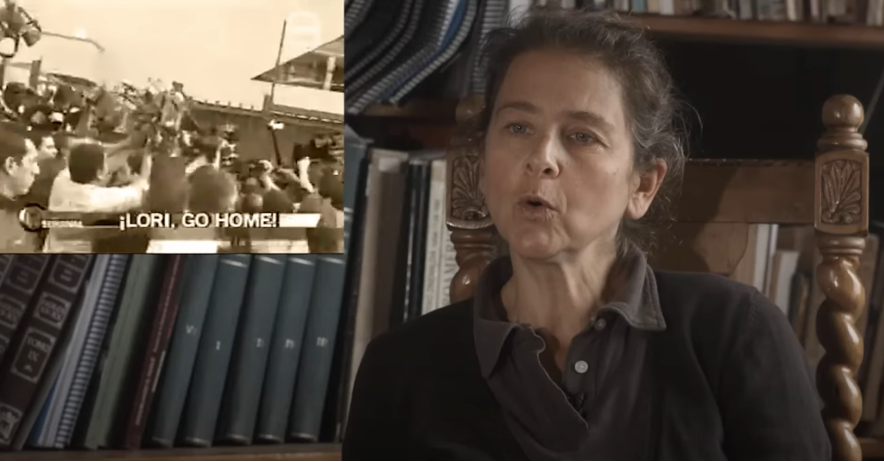
Still frame of Lori: testimonio de parte
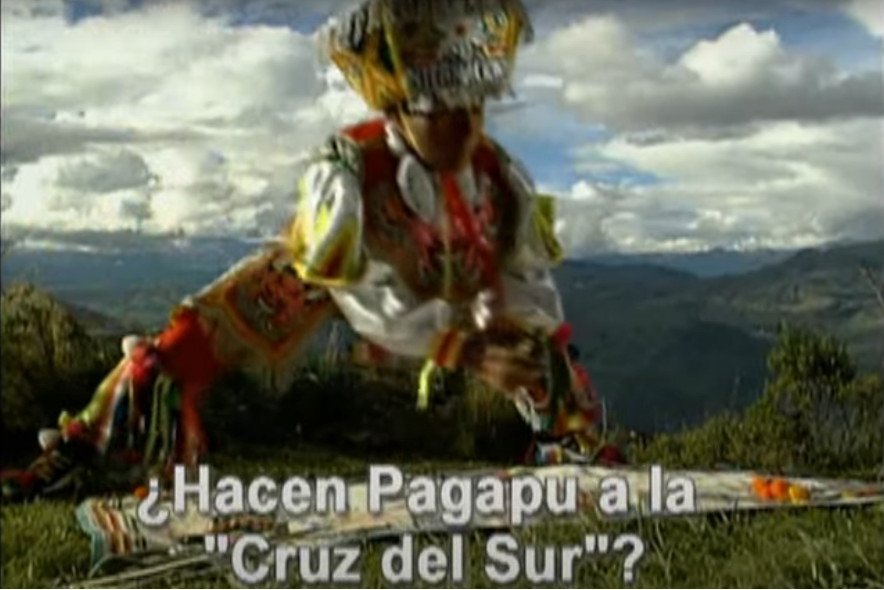
Still frame of Los danzantes de la montaña sagrada
Pilar Roca is the author of the following essays:
Pachakuteq una aproximación a la Cosmovisión Andina (2004, coautoría con Federico García)
Ayataky Canción por los muertos (2010, coautoría con Federico García)
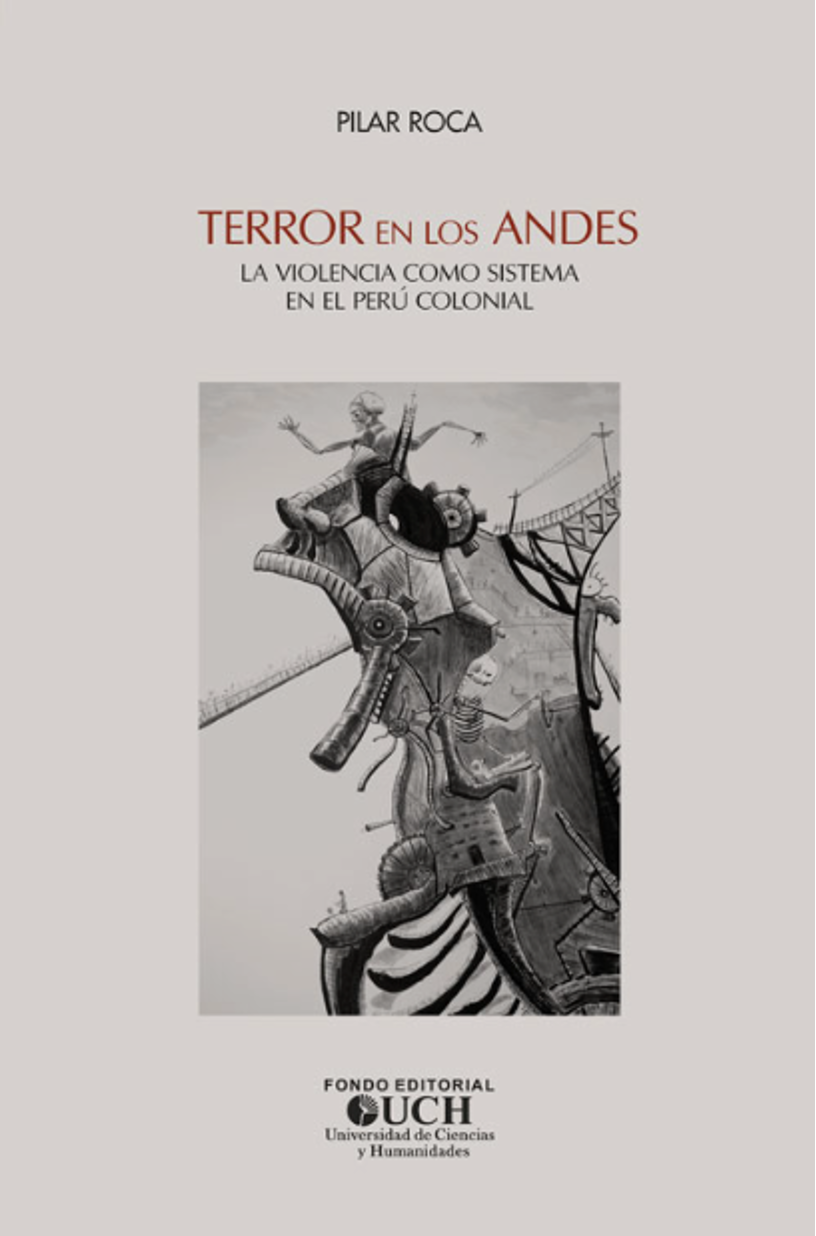
Terror en los Andes la violencia como sistema en el Perú Colonial (2013)
Venezuela bajo la lupa (2014)
El Holocausto Andino (2016)
Errores y horrores del Imperio Español: Fernando Túpac Amaru apuntes sobre su vida (2020)
Túpac Amaru defensor de los derechos laborales
Misterdafo. Perú: Cine, política y corrupción (2023)