Video has emerged strongly in Latin America. Its vigorous momentum, while having much to do with the impact of the technological revolution, is not, however, a product of it. It is rather a response to the need of our people to express themselves, to understand themselves, to carve out their own image, to discover and strengthen their identity.”
Extract from ‘América Latina está construyendo su propia imagen’(Latin America is building its own image) written by Paloma Valdeavellano and published in El video en la educación popular (IPAL, 1989).
Paloma Valdeavellano is a popular educator, human rights activist and an important videomaker active during the 1980s and 1990s. Moreover, she also collaborated in projects by other filmmakers, such as the feature film Antuca (1992) by María Barea. At the start of the 1970s, Valdeavellano worked in the Ministry of Education in the implementation of progressive non-formal education programs for young people. As a result of this work, she became involved in the Communication Popular Center (Centro de Comunicación Popular) of the emerging working-class neighbourhood Villa El Salvador, in Lima. In the 1980s, she began using video as an educational tool in the Centro de Información y Desarrollo Internacional de Autogestión (CIDIAG) (International Self-Management Information and Development Center) and became involved in the Peruvian video movement by participating in the IPAL (Instituto para América Latina). Towards the end of the 1980s, Valdeavellano organised and participated in international meetings of videomakers (Argentina, Uruguay, Chile, Costa Rica, Cuba), which were fundamental for the consolidation of video as an educational and popular communication tool in Latin America. In 1989, she compiled the book El video en la educación popular, which includes her essay ‘Latin America is building its own image’, a key synthesis of the movement.
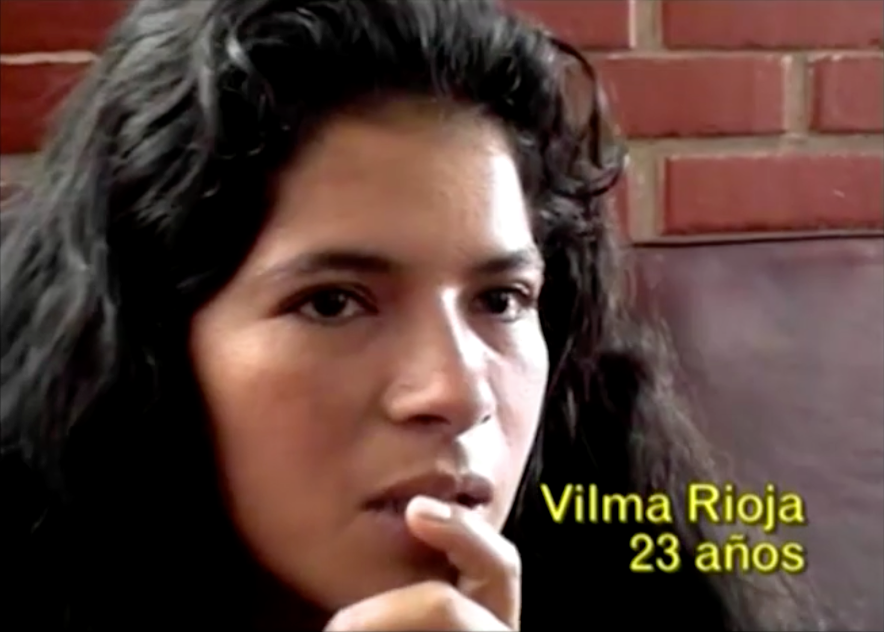
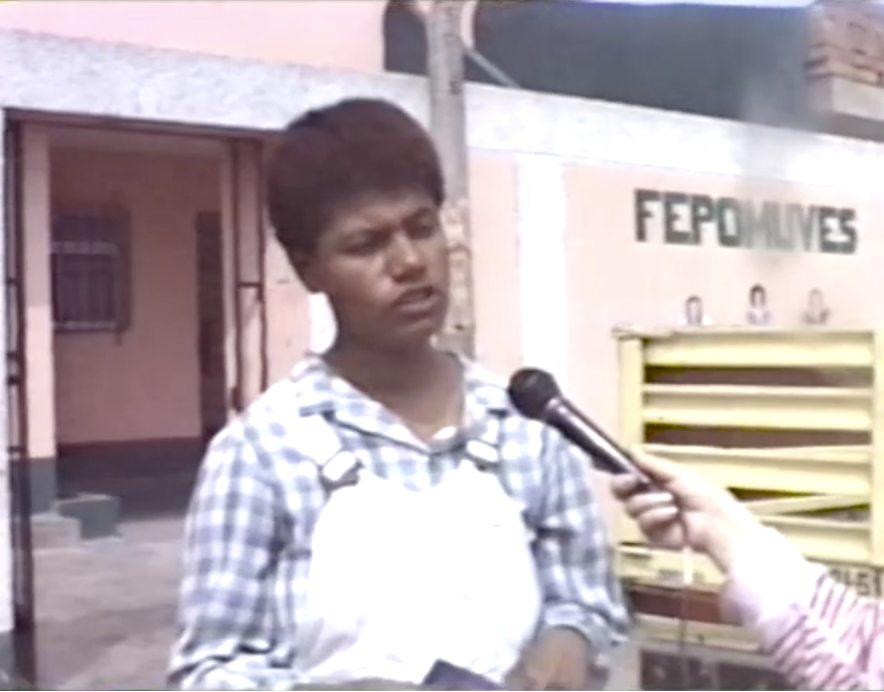
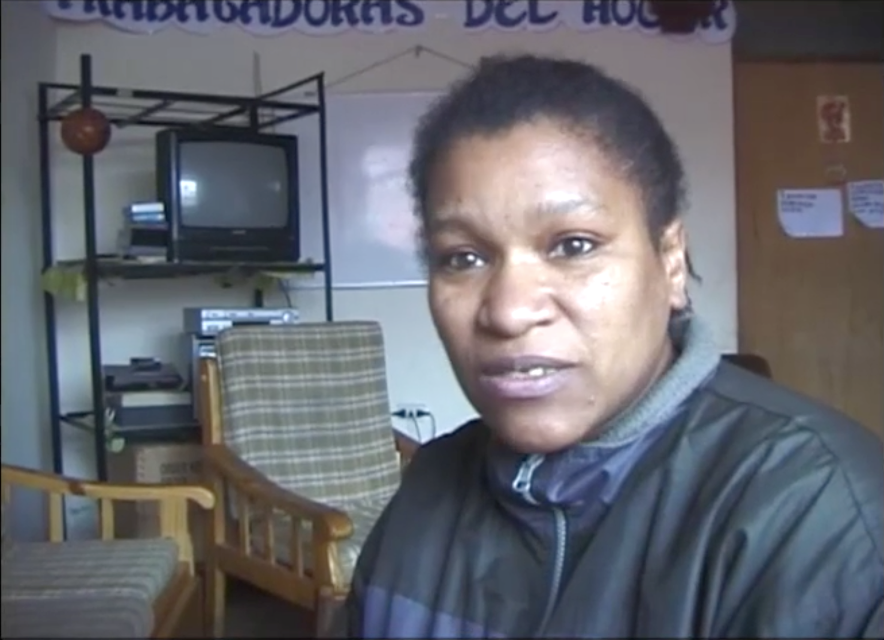
Valdeavellano’s raw video recordings show us fresh and intimate images of great value, as they allow us to get closer to the forms of organisation and struggle of the domestic workers of IPROFOTH, the Glass of Milk Commitee ‘Consuelo García Santa Cruz’ of the Comas neighbourhood, or to events such as the distribution of land in phase three of Villa El Salvador, among other places and events. These records, aligned with the principles of popular organisations and education, are fundamental as research sources for disciplines such as history, sociology and anthropology (Seguí, 2024), and thanks to the digitisation carried out by Lorena Best they are available in the Reversible Archive for use and dissemination.
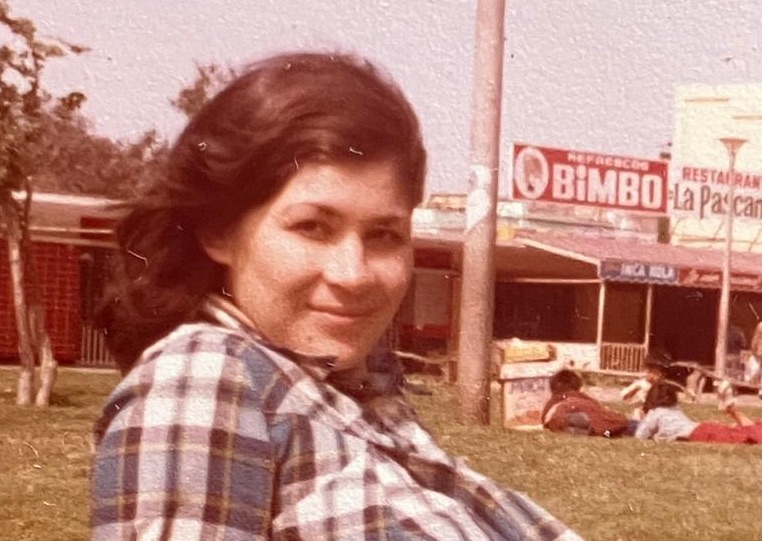
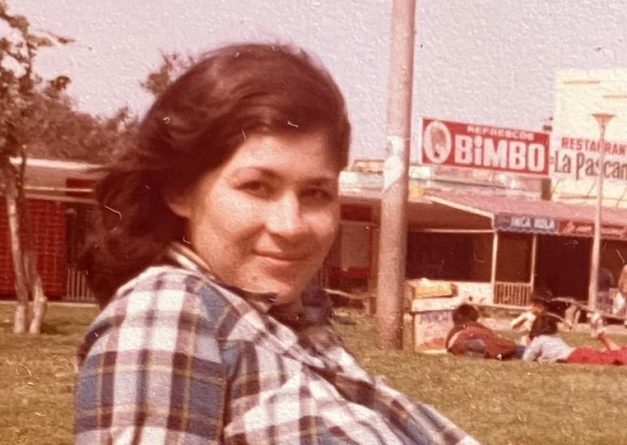
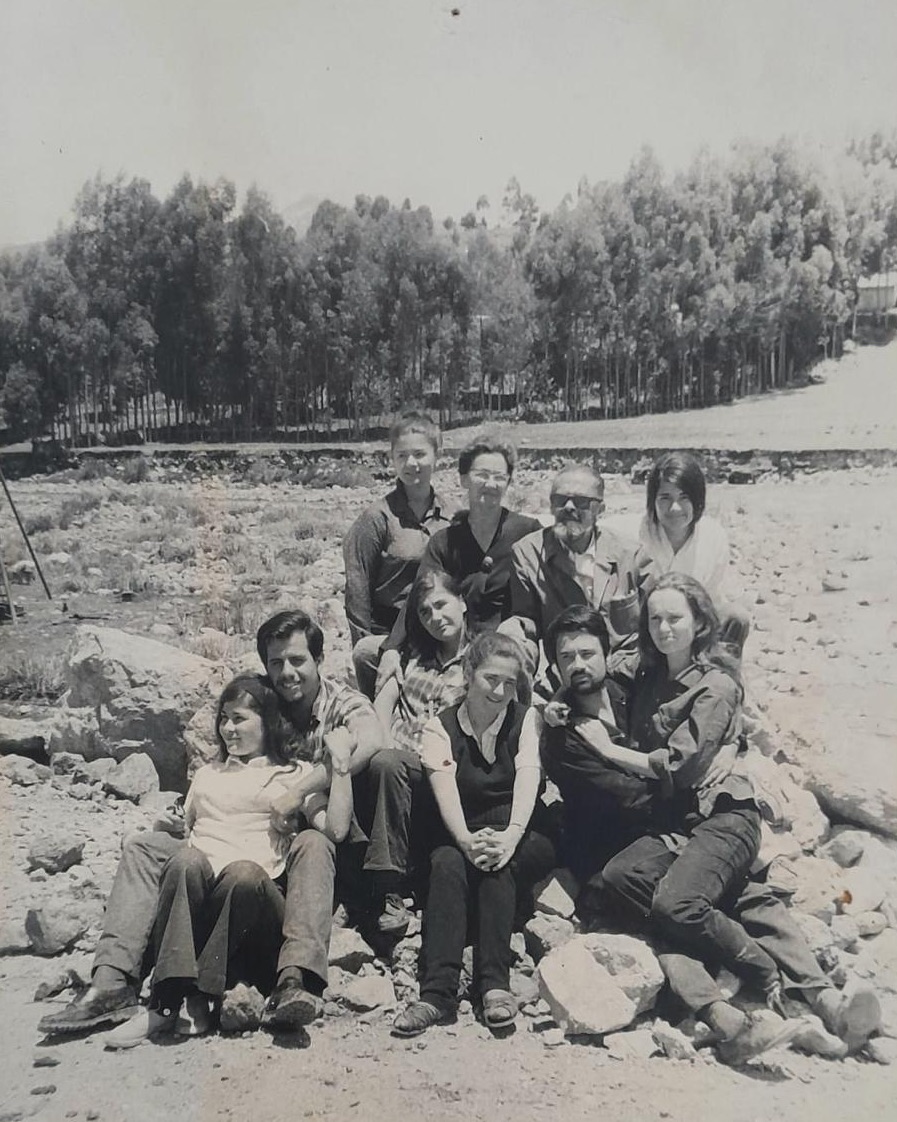
Paloma Valdeavellano (furthest left) and Marianne Eyde (furthest right) during a family outing.
¡Hola! 👋 Usamos cookies para asegurar que te damos la mejor experiencia en nuestra web. Si continúas usando este sitio, asumiremos que estás de acuerdo con ello ;)